
Industrial diplomacy.
Execution architecture.
China, from within.
translated into strategic decisions for Europe.
clients
Trusted by
Over more than a decade, I have worked on projects involving some of the world’s most recognized organizations.











In their own words
These are some of the people who have worked with me directly,
from China’s technology ecosystems to institutional networks.
Leonel Pavan, former Governor & Senator, Santa Catarina, Brazil
Leonel Pavan has served as Governor, Senator, and Federal Deputy of Santa Catarina (Brazil) and as three-terms Mayor of Balneário Camboriú. He currently leads the city of Camboriú.
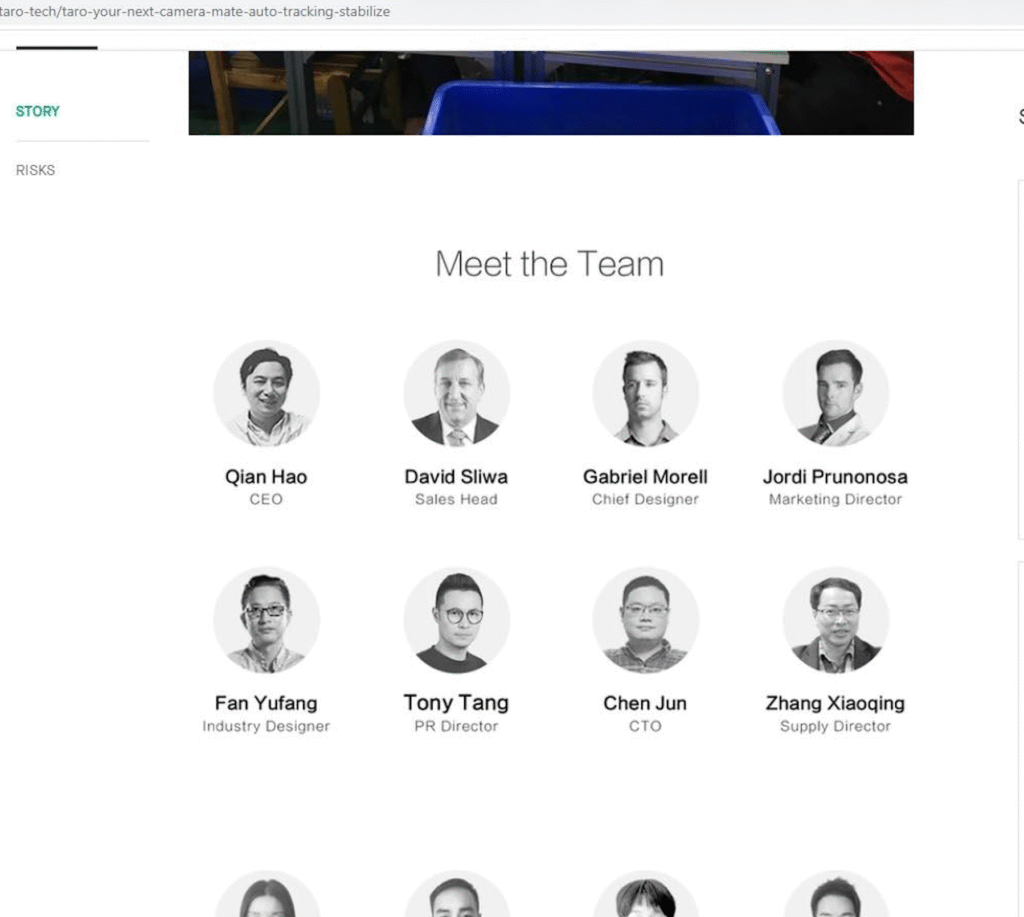
Qian Hao, CEO
Taro.ai
He has a proven talent for turning cutting-edge technology into high-performance, market-ready solutions.
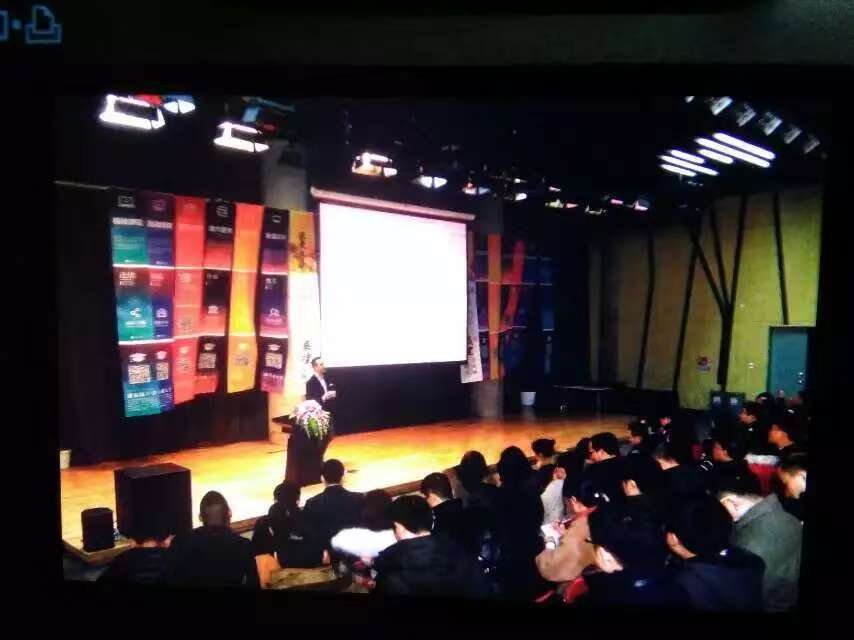
Ding Hui, Director Aliexpress University
Gabriel is a unique professional among expats in China. Beyond his 14 years of hands-on experience, he possesses a profound ability to build strategic bridges between China and Europe.
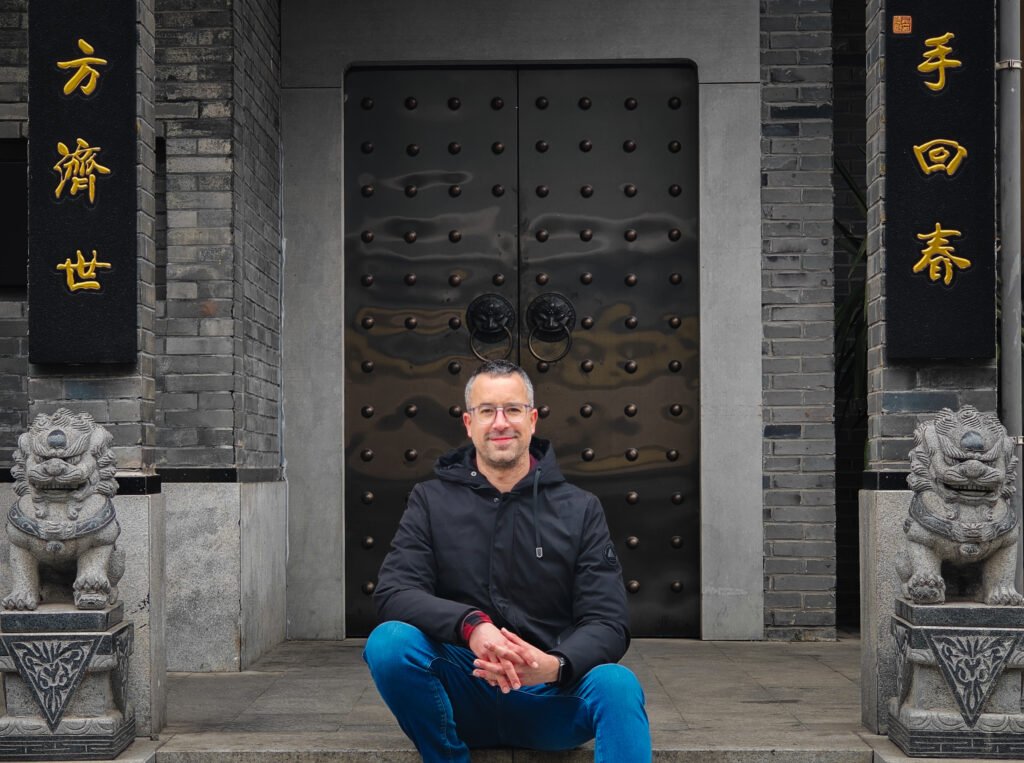
gabriel morell
The Person Behind the Bridge
For more than 14 years I have been working inside China’s business, technology and institutional environments, helping international organizations navigate one of the world’s most complex industrial ecosystems.
I’m Gabriel Morell, from Spain. Fourteen years ago a Chinese entrepreneur hired me for what was supposed to be a one-year position in China. Fourteen years later, I’m still here.
What began as a professional adventure gradually became something much deeper: a Chinese family, fluency in the language and cultural codes, and a network of collaborators built year after year, project after project.
For many years I worked as the operational bridge between China and some of the world’s most recognized organizations — coordinating local teams on the ground, solving cultural and operational frictions in real time, and supporting Western decision-makers navigating complex projects in China.
In recent years I have increasingly specialized in China’s technology and industrial ecosystems, areas where the country is advancing at a pace that much of the world is still trying to fully understand.
Today, my work focuses on three interconnected areas. First, technology and industrial ecosystem analysis: mapping how China organises its industrial clusters, supply chains, AI deployment, robotics and smart infrastructure as integrated systems — not as isolated technologies. Second, China–Europe strategic intelligence: translating on-the-ground knowledge into actionable insights for European institutions, innovation programmes, industrial clusters and policy actors working on reindustrialisation, strategic autonomy and technology deployment at scale. Third, ecosystem orchestration: enabling direct engagement between Chinese and European innovation networks, from technology briefings and sector landscape reports to participation in European research consortia and industrial projects.
Operating from Hangzhou — one of China’s most advanced technology hubs, home to leading ecosystems in AI, robotics, digital economy and advanced manufacturing — gives this work something most China analysis lacks: direct observation, not secondary interpretation.
Over time, my role has become very specific: helping international organizations understand how these ecosystems actually function. In that sense, my work increasingly resembles that of a technology ecosystem translator, helping European actors understand how Chinese industrial and innovation systems actually function.
Puentes de Seda was born from this accumulated experience on the ground — turning China’s complexity into strategic clarity for Europe.
Because innovation in China rarely emerges from isolated companies. It develops inside coordinated ecosystems where industry, technology, capital and policy constantly interact. Understanding this ecosystem orchestration is essential for any meaningful collaboration.
As technological cooperation becomes increasingly international, it is also evolving into new forms of innovation diplomacy and ecosystem diplomacy, where companies, institutions and industrial networks must learn to collaborate across very different systems.
My role is to help build that bridge.
BEYOND EXPERIENCE
Track Record
Analysis
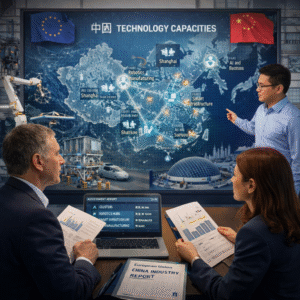
Strategic analysis of China's technology and industrial ecosystems for Europe
Reports, mappings and assessments of China’s industrial and technological capabilities for European entities — from AI and robotics clusters to advanced manufacturing and smart infrastructure. Direct on-the-ground observation, not secondary interpretation.
network
Direct operational network within China's technology and industrial ecosystems
Real access to industrial clusters, local governments and key technology actors in Hangzhou and other Chinese innovation hubs. Proprietary database of suppliers and leading companies in AI, robotics, digital twins and advanced supply chain architecture.
bridge
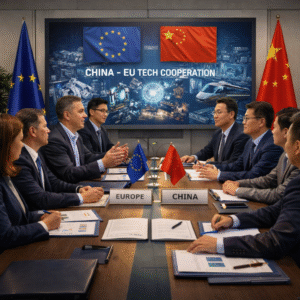
Industrial diplomacy and execution architecture between China and Europe
Facilitating real technology cooperation between Chinese and European industrial networks — from strategic briefings and institutional delegations to participation in European research consortia. Translation across different systems of logic, timing and expectations.
Presence in China
knowledge
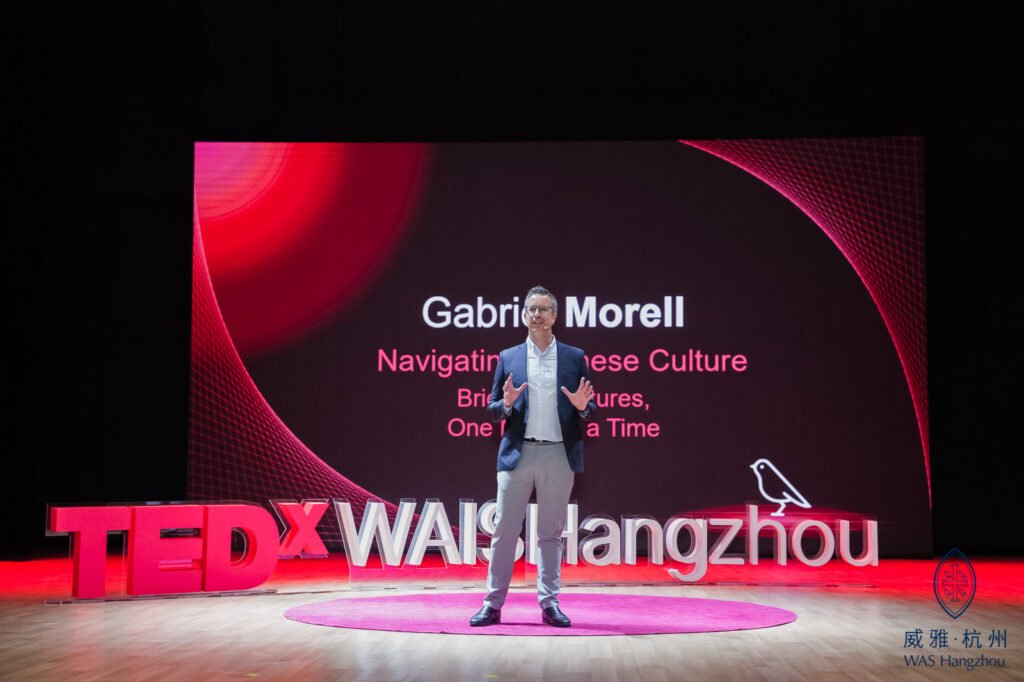
TEDx Talk China: Bridging Cultures
The cultural keys that make the difference in any operation with China.
recognition
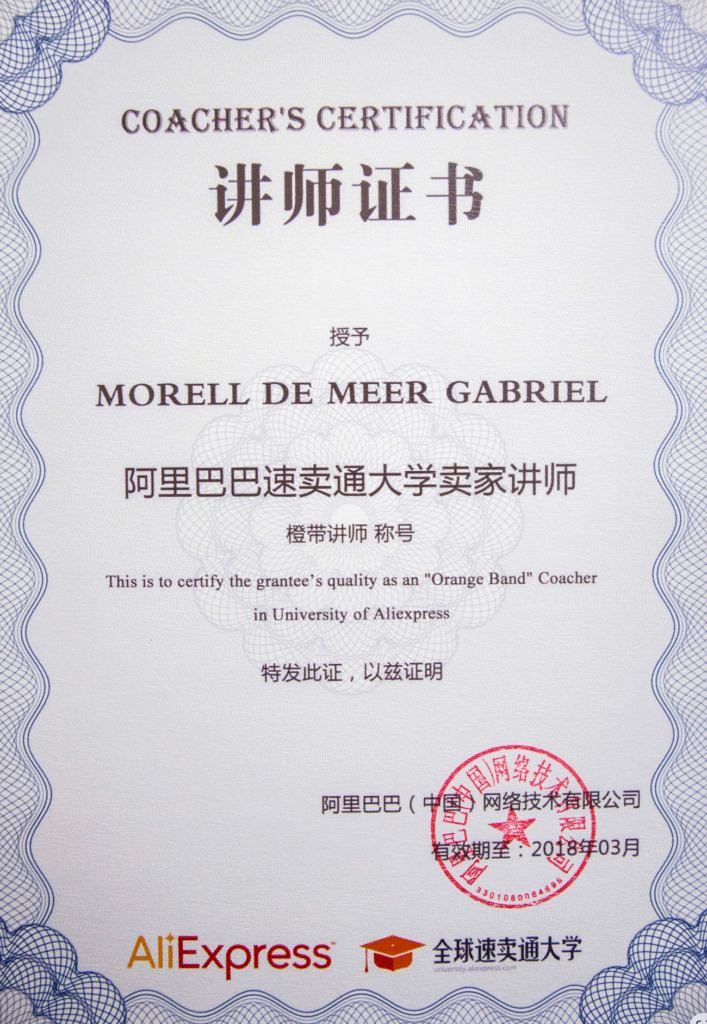
Only Foreign Lecturer at AliExpress University
An uncommon distinction that reflects a level of operational and cultural integration rarely seen among Western professionals in China.
presence
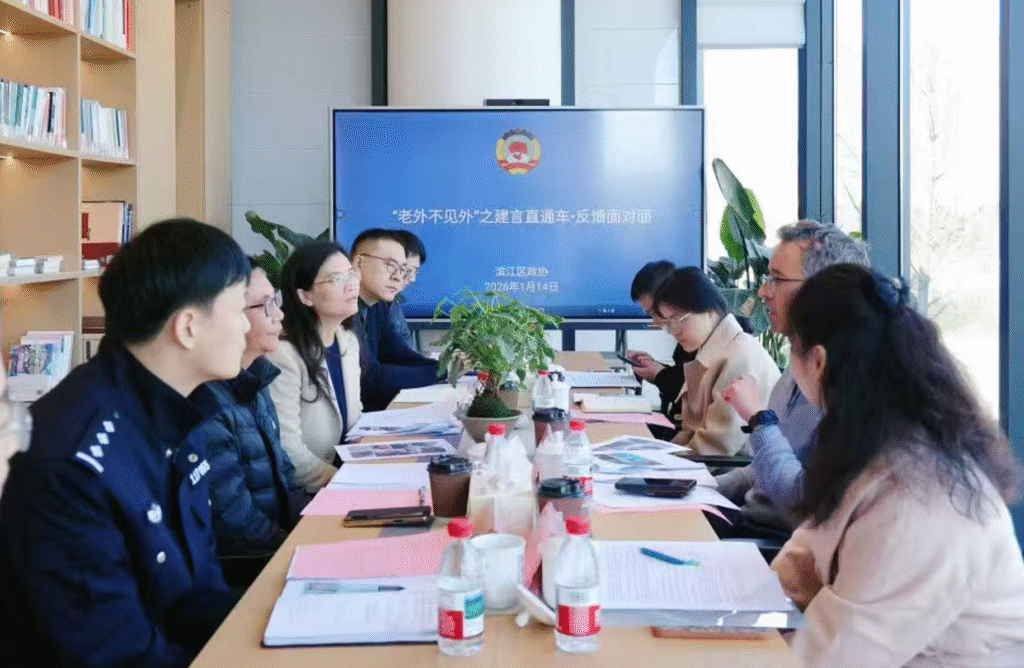
Direct Collaboration with Chinese Local Governments
Operative engagement in institutional environments where most foreign players have no effective access.
Bridges are not buildt from the outside.
They are built from within.
Shall we talk?
Tell me about your project and I’ll tell you in 15 minutes if I can help.